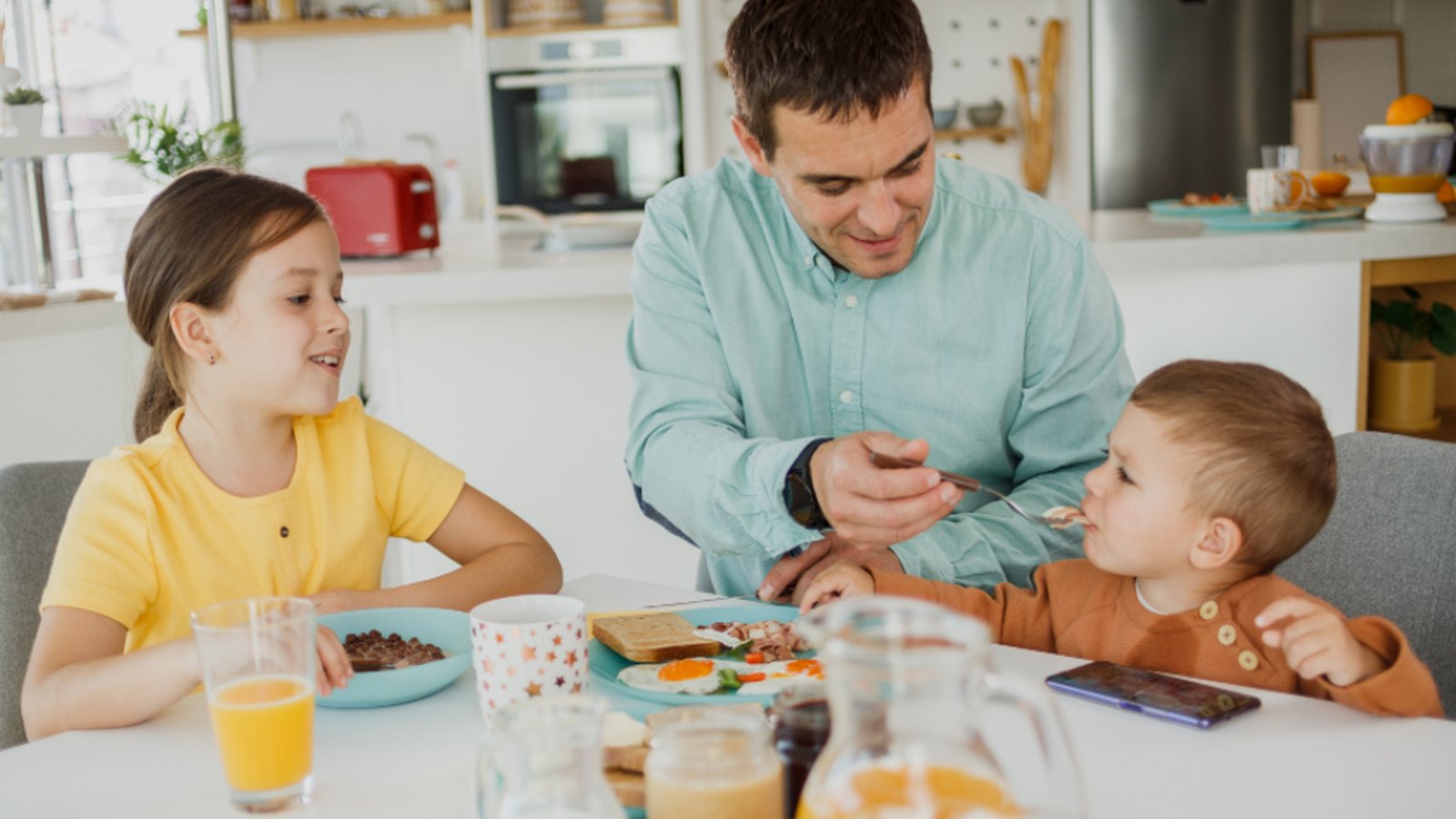



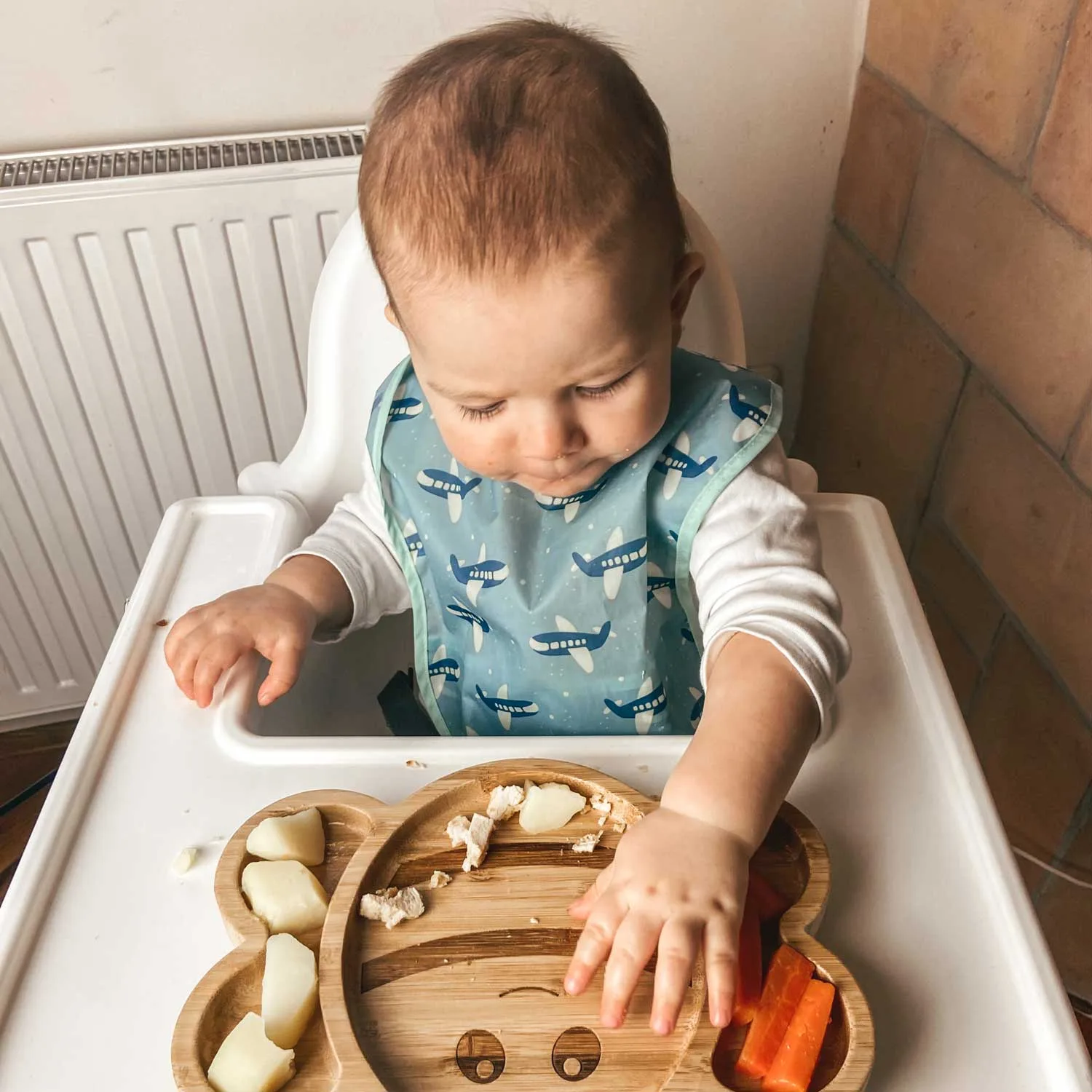
When, a few months into your child’s life, you find yourself facing the fact that it is time to start introducing solid food, a good many questions come up at once — and you want unambiguous answers to all of them straight away. As parents we want to get everything “right” and do the best for our child.
When I started reading up on it, the first thing I met was the established approach of purées, the accepted practice going back to my own generation. As I looked further, I came across other methods that, I admit, I hadn’t known about, and they immediately caught my interest. The idea that my child would feed herself right from the start of weaning went from unimaginable to the approach that felt like the right one.
The purpose of this article is definitely not to steer you away from any particular method of feeding, because every child has their own individual path that we should follow when introducing food. It should be said that purées have plenty of advantages. Babies swallow that kind of food more easily, without choking. While feeding you can see exactly how much has gone in, so you know your child is well provided for. You can choose the ingredients one by one, and you can take a purée with you wherever you go. Added oil helps your child absorb certain vitamins better and feel properly full.
But while some babies eat purées without any difficulty and before long need fewer milk feeds as a result, many children refuse puréed food. One of the reasons can be that they experience the spoon you are feeding them with as a foreign object. If your child doesn’t want to be fed that way, introducing purées is likely to be very stressful for you both.
Paediatricians hear “my child doesn’t like purée” or “my child wants to eat by herself” all the time. If your baby keeps reaching for the spoon, they are very probably telling you that they want to eat independently and discover new food with their own hands, which is entirely natural behaviour.
If your baby refuses purée and demands your food, they are probably doing it out of their natural instinct to imitate. Because a baby learns practically everything by copying, they want to eat what you are eating. In that case BLW (baby-led weaning) may be a more relaxed alternative for everyone involved.
It is of course also possible that your baby will refuse both purée and solid food and prefer milk (breast or formula) for a while longer. Perhaps they simply aren’t ready yet, in which case just put off introducing complementary foods for another two or three weeks, or until they show enough interest.
When can I introduce my baby to solid food?
Nutrition experts recommend starting solid food somewhere between 17 and at the latest 26 weeks of age, while continuing to breastfeed. The optimal starting point differs from baby to baby and depends on their development. Pay particular attention to this if your child was born prematurely. Incidentally, Dr Gill Rapley, author of Baby-led Weaning, recommends not starting the BLW method with a baby younger than 6 months.
How do I know when my baby is ready for solid food?
- Your baby watches you closely while you eat and copies your chewing.
- They reach for food and put it in their mouth.
- With a little support your baby can sit upright and hold their head steady. That matters so they can swallow properly.
- They roll from their back onto their tummy.
- The tongue-thrust reflex has settled, meaning they don’t push food straight back out of their mouth. You can test this by placing food on the tip of the tongue with a spoon and watching whether the tongue pushes it out or the food is eaten.
Whether you want to start in the classic way with purées or go for BLW, don’t take any of it too dogmatically. For most parents in everyday life, a combination of finger food and purées works best. As long as you choose the right foods and carry on breastfeeding or giving formula, you can’t go far wrong. If you are unsure about anything or have doubts about your approach, talk to your paediatrician or health visitor. The most important thing is to trust and listen to yourself and, above all, to your child, and to watch their signals closely.